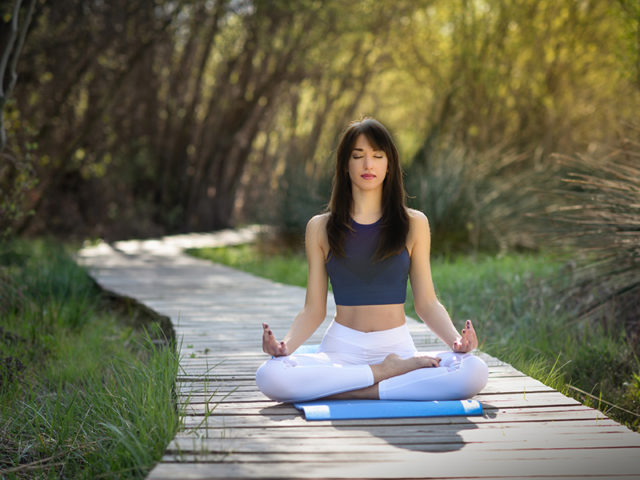
Life moves fast and stress piles up, making peace feel like a rare treasure. Meditation, with roots stretching back thousands of years, acts like a quiet island in the noisy ocean of daily life. It helps clear the mind, lower stress, and boost emotional health. Forget the old idea that meditation means sitting still and chanting “om”—lots of methods fit different styles and moods. People who try these approaches often find new calm and fresh energy, like pressing a reset button for the brain. Anyone feeling overwhelmed or burned out stands to gain the most from these techniques. Dive into meditation, and discover the secret to steady calm amid chaos—you might just unlock a powerful tool that changes how each day feels.
Mindfulness Meditation
Mindfulness meditation, rooted in the Buddhist tradition, has gained significant popularity in recent years. It involves focusing one’s attention on the present moment, observing thoughts, emotions, and bodily sensations without judgment. The goal is to cultivate a non-reactive awareness, allowing us to better understand ourselves and the world around us. Practitioners often start by focusing on the breath, gradually expanding their awareness to include other sensations and experiences. Mindfulness meditation can be practiced seated, lying down, or even while engaged in daily activities like walking or eating. It encourages us to fully experience each moment, leading to increased self-awareness and a greater sense of connection to the world.
Loving-Kindness Meditation
Loving-kindness meditation, also known as metta meditation, emphasizes the development of compassion and love towards oneself and others. It involves silently repeating phrases or well-wishes, such as “May I be happy, may I be healthy, may I live with ease.” Practitioners gradually extend these sentiments to loved ones, acquaintances, and eventually to all beings. This practice cultivates a deep sense of empathy, reduces feelings of anger and resentment, and fosters a kinder and more compassionate mindset. By directing positive energy toward ourselves and others, we create a ripple effect of goodwill that extends far beyond our immediate surroundings.
Transcendental Meditation
Transcendental Meditation, popularized by Maharishi Mahesh Yogi, is a technique characterized by the use of a specific mantra. Practitioners sit comfortably with their eyes closed, repeating the mantra silently for 20 minutes, twice a day. The mantra acts as a focal point, enabling the mind to transcend ordinary thinking and access deeper levels of consciousness. TM practitioners report experiencing a state of deep relaxation, heightened clarity, and increased creativity. This technique does require instruction from a certified TM teacher, who provides personalized guidance and support.
Breath Awareness Meditation
Breath awareness meditation, as the name suggests, centers around observing the breath. By focusing on the inhalation and exhalation, we anchor our attention to the present moment. This technique enhances concentration, reduces anxiety, and helps develop an understanding of the mind-body connection. Practitioners can choose to count breaths, notice the sensations of the breath in different parts of the body, or simply observe the breath without any judgment. Breath awareness meditation can be practiced anywhere, making it an accessible and versatile technique.
Visualization Meditation
Visualization meditation involves creating a mental image or scenario to focus the mind and promote relaxation. Practitioners can visualize serene natural landscapes, peaceful environments, or positive experiences. By engaging the mind’s eye, we stimulate our creativity, increase positivity, and reduce stress. Guided visualization meditations, available in the form of audio recordings or apps, can assist beginners in developing their visualization skills. This technique allows us to tap into the power of our imagination and harness its potential to manifest positive changes in our lives.
Body Scan Meditation
Body scan meditation involves systematically scanning the body from head to toe, bringing attention to each body part, and noticing any sensations or tensions present. This technique promotes relaxation, body awareness, and mindfulness. By observing the body with curiosity and non-judgment, practitioners develop a deeper understanding of the mind-body connection. Body scan meditations can be done lying down or seated, and they are particularly beneficial for relieving physical tension and releasing stress from the body.

Movement-Based Meditation
For individuals who find it challenging to sit still for extended periods, movement-based meditations offer a dynamic alternative. Practices such as yoga, qigong, tai chi, and walking meditation incorporate intentional movement and breath awareness. These techniques allow practitioners to cultivate mindfulness while engaging in gentle physical activity. Movement-based meditations enhance body awareness, improve balance, and foster a sense of calm and centeredness. They are ideal for individuals seeking a combination of physical exercise and meditation.
Sound Meditation
Sound meditation utilizes various auditory stimuli to facilitate relaxation and focus. Practitioners can listen to calming music, nature sounds, chanting, or even the repetitive tones of singing bowls or bells. The sounds serve as anchors for the mind, guiding it into a state of deep relaxation and heightened awareness. Sound meditation can be practiced individually or in a group setting, and it is known to induce a sense of tranquility and harmony.
Conclusion
Meditation is a versatile and powerful tool that offers numerous benefits for our mental, emotional, and physical well-being. The diverse range of meditation techniques ensures that there is an approach suitable for everyone, regardless of their preferences or circumstances. Whether you choose mindfulness meditation, loving-kindness meditation, transcendental meditation, breath awareness meditation, visualization meditation, body scan meditation, movement-based meditation, or sound meditation, the key lies in regular practice and a willingness to explore what resonates with you personally. By incorporating meditation into your daily routine, you can embark on a journey of self-discovery, inner peace, and a deeper connection with yourself and the world around you. Visit BibleKeeper if you need more information or have any questions.